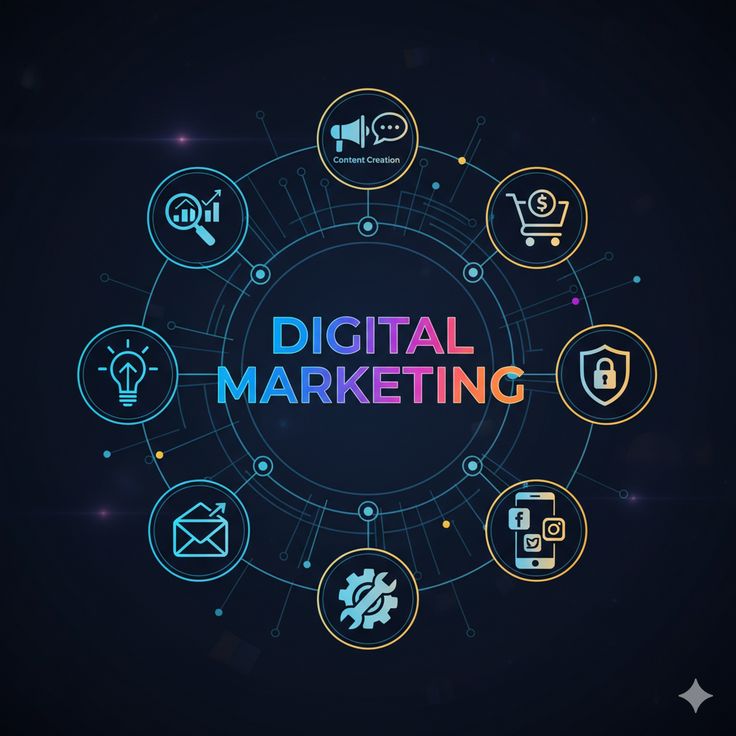
When I first started helping small businesses grow online, I thought digital marketing was just posting on social media or writing a few blog articles. Over time, I realized that mastering digital marketing in 2026 requires a practical, multi-channel approach that combines social media, SEO, email, and analytics.
After testing strategies on my own blog and small business clients, I discovered what works, what doesn’t, and how beginners can start seeing real results without wasting time or money. This guide shares real experiences, mistakes, and actionable steps that actually produce results.
Understanding Digital Marketing in 2026
Digital marketing isn’t just about ads or content anymore. Today, it’s about creating a connected ecosystem:
- Social media drives engagement and brand awareness
- SEO brings organic traffic from search engines
- Email marketing converts visitors into loyal customers
- Analytics and tracking help refine strategies
Trying to focus on one channel alone is a common mistake I made early on. The most effective results come from integrating all channels with a clear plan.
Step 1: Build a Strong Online Presence
Your website or blog is the foundation. I’ve seen many small businesses rely solely on Facebook or Instagram, but that limits long-term growth.
Practical tips I follow:
- Use platforms like WordPress or Wix to set up a beginner-friendly website
- Focus on mobile-friendly design; over 70% of traffic now comes from smartphones
- Make navigation simple and include clear call-to-action buttons
Example: When I redesigned a client’s website in 2025, ensuring fast loading and clear CTAs increased leads by 35% in one month.
Step 2: Master Social Media Marketing
Social media is more than posting daily updates. In 2026, short-form videos, reels, and interactive posts dominate.
What worked for me:
- Posting 3–4 times per week on Facebook and Instagram
- Creating 30–60 second tutorial videos on TikTok and Instagram
- Engaging with followers in comments and DMs
Example: A 45-second Instagram reel showing “3 Free Tools for Small Businesses” generated hundreds of website visits and new email subscribers within days.
Mistakes I made early: posting only promotional content and ignoring engagement. Value-first content performs far better.
Step 3: Optimize for SEO
SEO is still essential for long-term traffic. Beginners often make these mistakes:
- Focusing only on keywords
- Ignoring backlinks
- Neglecting site speed
Here’s my practical approach:
- Keyword research: Use Ubersuggest, Ahrefs, or Google Keyword Planner for long-tail keywords
- On-page SEO: Add titles, headings, meta descriptions, and alt text for images
- Backlinks: Guest post on relevant blogs and network with other creators
- Content updates: Refresh old content with updated tips and stats
Example: I optimized a blog post on affiliate marketing for a long-tail keyword and gained over 1,000 organic visitors per month within 2 months.
Step 4: Email Marketing That Converts
Email marketing remains one of the most effective conversion tools.
My approach:
- Offer a lead magnet, e.g., “Free 7-Day Digital Marketing Starter Guide”
- Send 3–4 value-packed emails per week
- Segment subscribers based on interest to increase engagement
Example: A small client’s email campaign about “Top Tools for Small Businesses” had a 32% open rate and 12% click rate—far higher than social media alone.
Step 5: Track, Analyze, and Adapt
Without data, even the best strategies can fail. I rely on:
- Google Analytics – track website traffic, bounce rates, and conversions
- Meta Business Suite – track social media engagement
- Email analytics – monitor open rates, click-through rates, and conversions
Practical tip: Set weekly goals, review metrics, and double down on what’s working. Don’t waste energy on underperforming tactics.
Step 6: Embrace Paid Marketing Wisely
Paid marketing is optional but powerful when done strategically:
- Google Ads – for high-intent traffic
- Facebook and Instagram Ads – for audience targeting and retargeting
- TikTok Ads – for brand awareness and short-form engagement
I learned that retargeting ads work best. Visitors who didn’t subscribe or buy the first time often convert after seeing 2–3 reminders.
Step 7: Build a Community
Communities turn casual followers into loyal fans. I created a private Facebook group for my blog readers and shared exclusive tips.
Benefits:
- Direct feedback on your content
- Organic shares and referrals
- Higher trust in your brand
Lesson: Even a small community of 200–300 engaged people can outperform tens of thousands of passive followers.
Step 8: Leverage AI Tools Strategically
AI is everywhere in 2026, but beginners often misuse it.
I use AI to:
- Generate content outlines
- Suggest social media captions
- Identify trending topics
Caution: Always add personal insights. AI can assist, but real experience makes your content stand out.
Step 9: Focus on Multi-Channel Integration
Digital marketing works best when channels support each other:
- SEO brings organic visitors to your website
- Social media drives initial engagement
- Email converts leads into customers
- Retargeting ads reinforce your messages
When I integrated these channels for a client, website traffic grew by 150% over 3 months.
Step 10: Consistency Over Perfection
One mistake beginners make is waiting for the “perfect plan.”
- Posting consistently matters more than creating flawless content
- Regular updates, engagement, and follow-up make the difference
- Small efforts compound into meaningful results over time
Example: I posted small daily tips on LinkedIn for 90 days. While some posts performed poorly, several posts went viral and brought hundreds of new subscribers.
Final Thoughts
Mastering digital marketing in 2026 isn’t about shortcuts. It’s about practical, consistent steps, testing strategies, and learning from real-world results.
For beginners and small businesses, the roadmap is clear:
- Build a solid website foundation
- Use social media to engage and attract your audience
- Optimize content for SEO
- Capture leads with email marketing
- Track results and adapt strategies
By following these steps, even a small business or new blog can grow steadily, attract loyal followers, and convert visitors into paying customers. Patience and persistence are your best tools. 🚀